
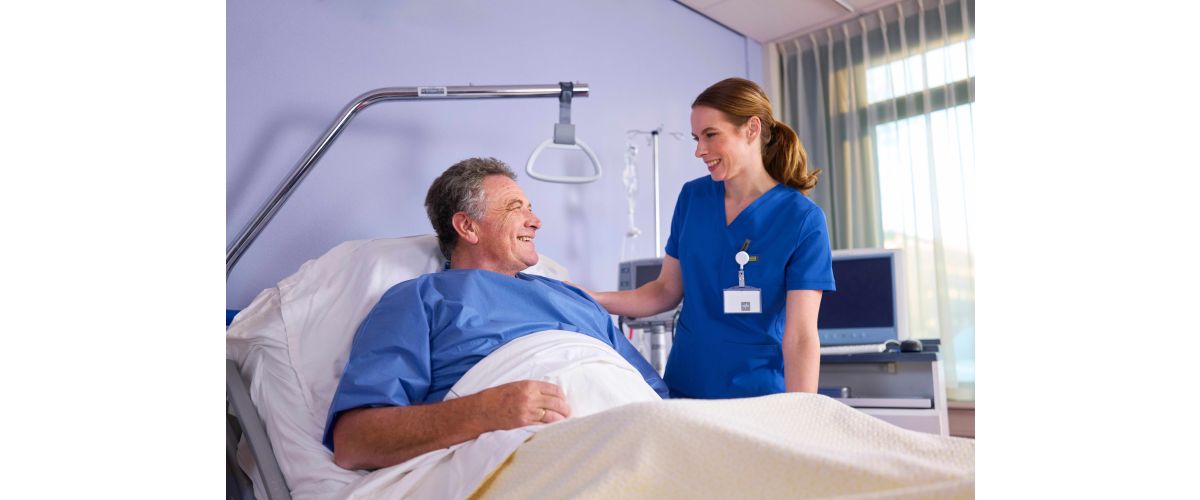
Indwelling urinary catheterisation is an essential medical intervention for managing urinary retention and monitoring urine output in many hospitalised patients. However, the risk of catheter-associated urinary tract infection (CAUTI) increases with the duration of catheterisation, making daily assessment and prompt removal when no longer clinically required an important preventive measure.1 Although preventable and treatable, CAUTIs have a prevalence of 8.5% and place a considerable burden on healthcare facilities, making them an economic burden. ²
Symptomatic CAUTIs may require antibiotic treatment and longer hospital stays. Increased antibiotic use can contribute to the growing challenge of antibiotic resistance, while longer hospital admissions can increase healthcare costs and place additional pressure on already stretched hospital resources and clinical staff. In healthcare organisations, where resources are under pressure reducing preventable infections remains an important priority.
Preventing CAUTIs through aseptic technique
Using aseptic technique and sterile equipment during catheter insertion is a key recommendation for reducing the risk of CAUTI.1 This involves performing hand hygiene, using sterile equipment, preparing the insertion site appropriately, and ensuring the catheter remains free from contamination throughout the procedure. Through measures that limit the introduction of microorganisms into the urinary tract, healthcare professionals can help reduce the risk of infections and promote better patient outcomes.
Medline’s urology procedure-pack solution
At Medline, we provide comprehensive solutions designed to support both clinical and operational goals.
Medline's catheter exchange kits can help maintain sterile aseptic techniques by providing clinicians with the compatible components in a single sterile pack. By opening one kit instead of multiple individually packaged products, healthcare professionals can reduce the number of touchpoints throughout the procedure. Consolidating components can support an organised setup and help healthcare professionals follow their established aseptic procedure.
In addition to supporting aseptic techniques, catheter exchange kits can help improve procedural efficiency. By grouping procedure-specific components into a single kit, they can simplify supply preparation and reduce the need to retrieve products from multiple storage locations. This can help streamline workflows and support healthcare professionals in focusing on patient care.
Medline’s sales and clinical support teams can provide product information and training on the correct use of the kit and its components, in accordance with the applicable instructions for use to support healthcare professionals in delivering patient care.