¹ Health Care Without Harm & Arup (2019). Health Care’s Climate Footprint.
OUR APPROACH
Promoting sustainable practices for a better tomorrow
Environmental conditions can impact health outcomes. The healthcare industry accounts for 4.4 per cent of greenhouse gas emissions¹, and clinicians are seeing the effects of climate change amongst the patients they serve.
We’re working to build an environmentally sustainable business by investing in new technologies, conserving natural resources and limiting waste. We are also exploring ways to reduce our carbon footprint — and helping our customers do the same.
RENEWABLE ENERGY
Investing In Solar Energy
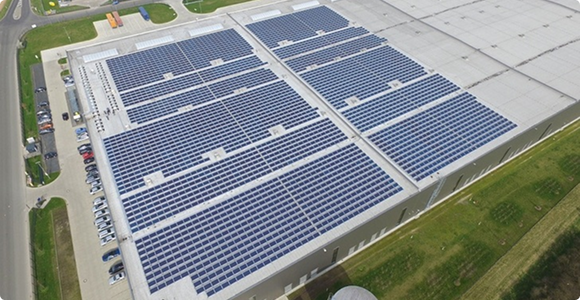
Solar energy plays a critical role in our carbon reduction strategy. We’ve invested in solar photovoltaic panels at key manufacturing and warehousing locations across Europe. In addition, we continue to seek out opportunities to expand the percentage of renewable energy in use at our facilities.
SUSTAINABLE BUILDING PRACTICES
Adopting green building methods
We have a green building policy, which means environmental performance is factored into our new construction projects, as well as lease agreements. Key successes include:
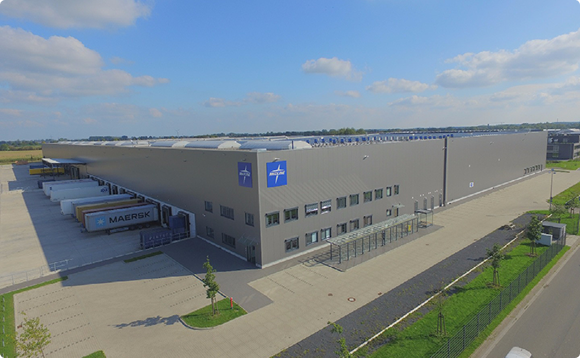
- Our international distribution centre in Kleve, Germany is certified by the German Sustainable Building Council (DGNB).
- Our sterile procedure tray (SPT) facility in Partizánske, Slovakia is Building Research Establishment Environmental Assessment Method (BREEAM)-certified
- Our office (Pacific Building) in Châteaubriant, France is Leadership in Energy and Environmental Design (LEED)-certified Gold and Passive House certified
- Our warehouse in Piacenza, Italy is Leadership in Energy and Environmental Design (LEED) certified
ENVIRONMENTAL STEWARDSHIP
Waste management
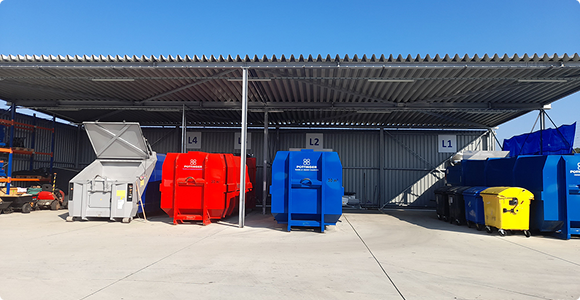
Building policies and programs to reduce the environmental impact associated with waste.